

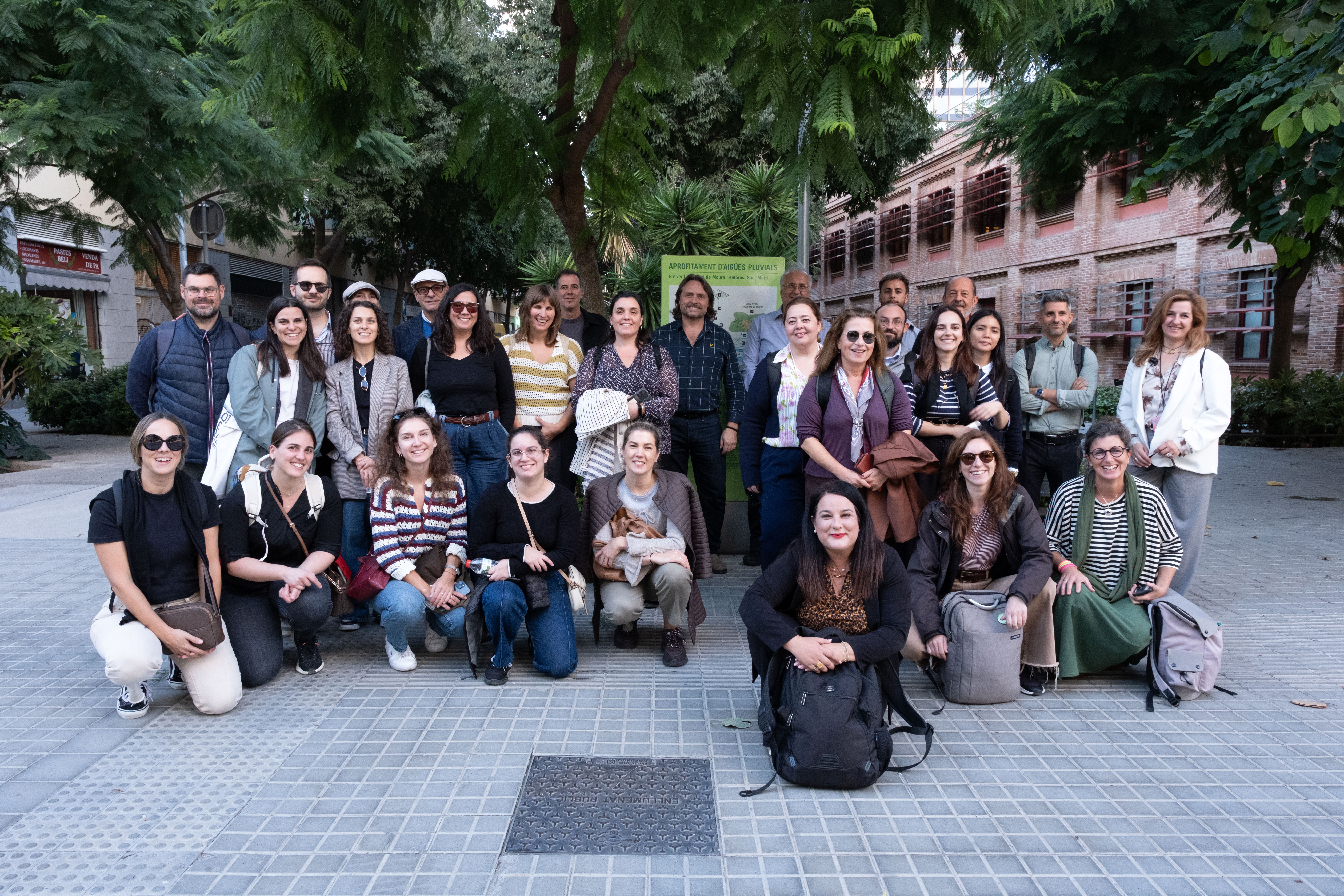
On 21–22 October, a group of professionals from Malta, Italy, Greece and Spain travelled to Barcelona to see how the city is transforming streets, parks and rooftops with nature-based solutions: using plants, soil and water to make urban spaces cooler, more liveable and better able to absorb rain. Organised by Svi.Med. as part of the European project LANDS, the visit made one thing clear: behind every green street is a city that chooses to work together.
The group included the project’s NbS Ambassadors: people working in public administrations, technical offices and environmental organisations who are training to bring these solutions to their own cities and share them with their colleagues.
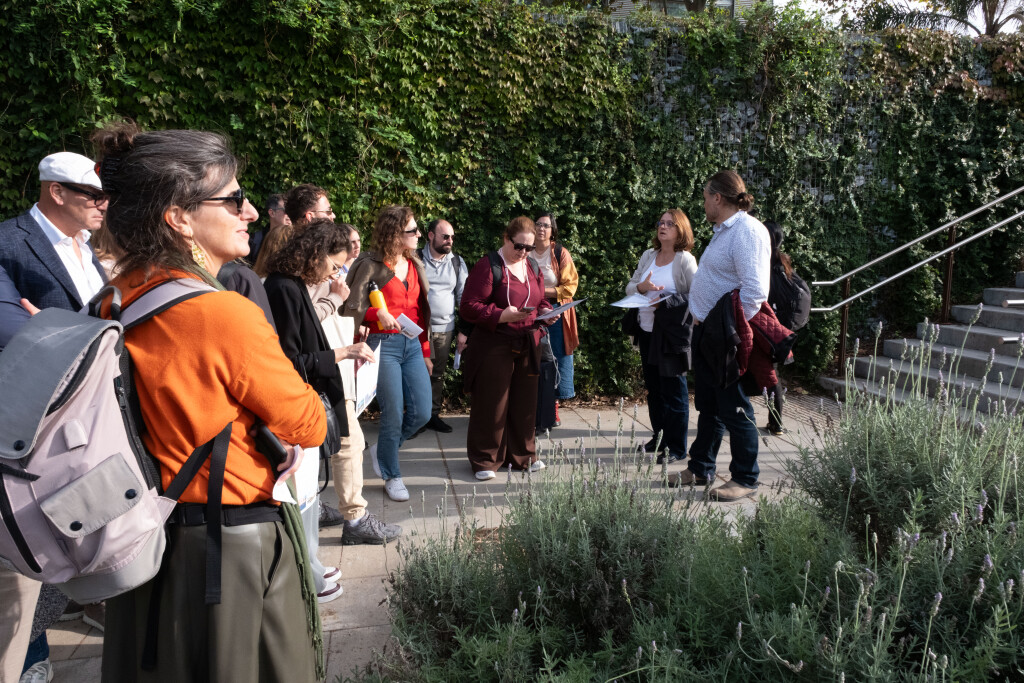
For Svi.Med., this was a return. Barcelona had already been the destination of a visit as part of URWAN, the European project dedicated to urban regeneration through nature, from which LANDS drew on the NBS Catalogue and the StartPark methodology. Going back to some of the same places showed how the works have moved forward and how the city has consolidated its approach. It was a rare chance to see these interventions not as a ribbon-cutting photo, but as something that grows and changes over time.
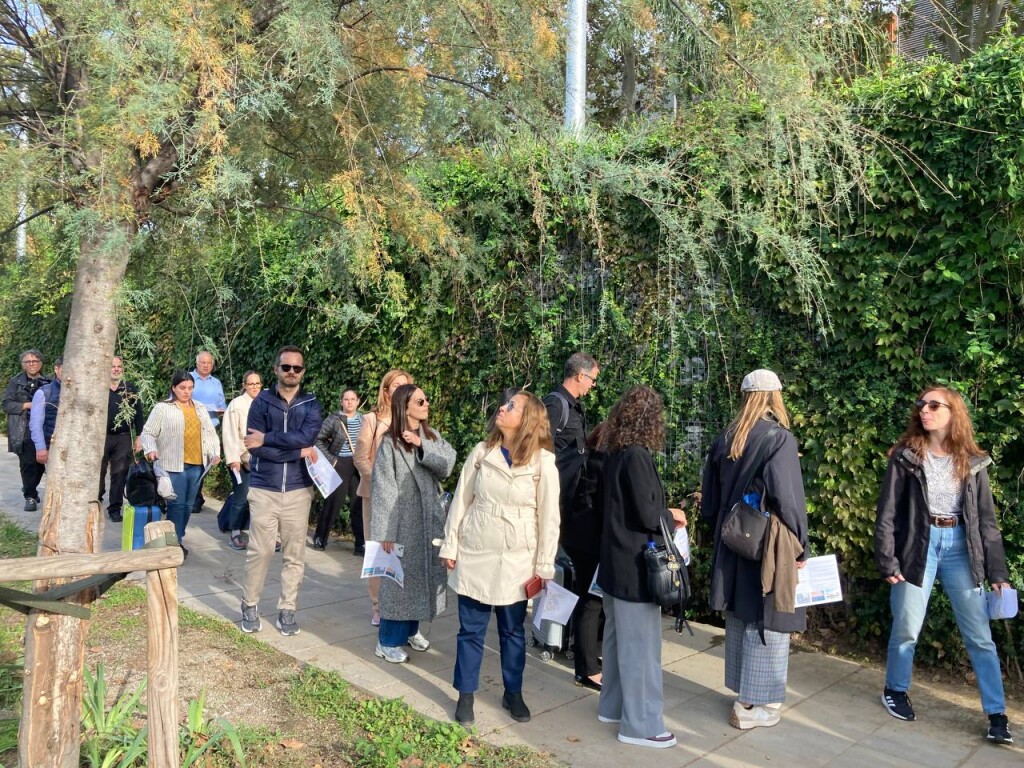
The group met Barcelona City Council and the Barcelona Metropolitan Area, who explained how greenery and rainwater management shape planning decisions, the design of public squares and the care of biodiversity. Then came the field visits: from the large green axes of Consell de Cent and Cristóbal de Moura, where asphalt has given way to plants and surfaces that let water soak in, to Parc de les Glòries, the experimental green roofs of the TopSec project and the new neighbourhoods of Marina del Prat Vermell. The visit was facilitated by Natural Base Solutions, with technical support from IRIDRA.
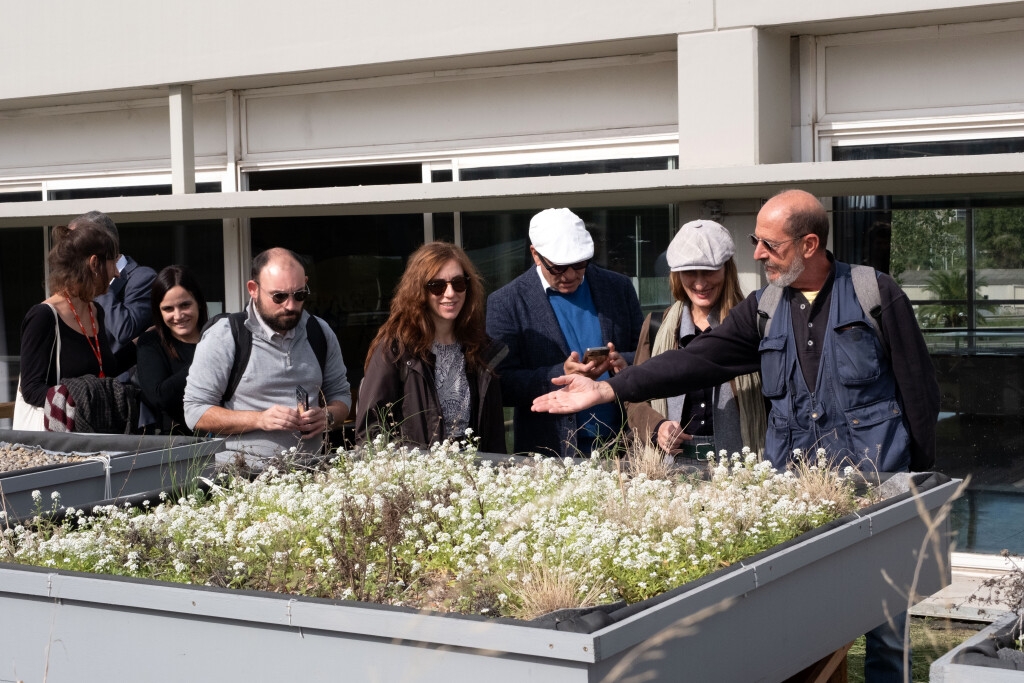
The strongest message from Barcelona was about method. The people in charge of urban planning, water, parks and gardens and the metropolitan area do not work alone: they share a vision and make decisions together. The green streets you see in photos are the result of that collaboration. And this is where many Mediterranean cities face their biggest obstacle: not a lack of ideas, but the difficulty of getting different offices and expertise to talk to each other. This is the lesson the group brings home: nature-based solutions work when a city chooses to build them together.